Service area · Tennessee
Foundation repair in Soddy-Daisy
Soddy-Daisy's local resource for foundation repair information. Compare repair methods (helical piers, push piers, crawl-space encapsulation, basement waterproofing), 2026 cost ranges from Bob Vila's published cost guide, and the specific issues that come with Tennessee River valley alluvium, Cumberland Plateau foothills, and Chickamauga Lake floodplain proximity. Whether your settlement showed up after a wet spring or you're researching cracks for the first time, this guide is built for Soddy-Daisy homeowners deciding what to do next.
Typical foundation type: mixed
Why Soddy-Daisy Foundations Are Different
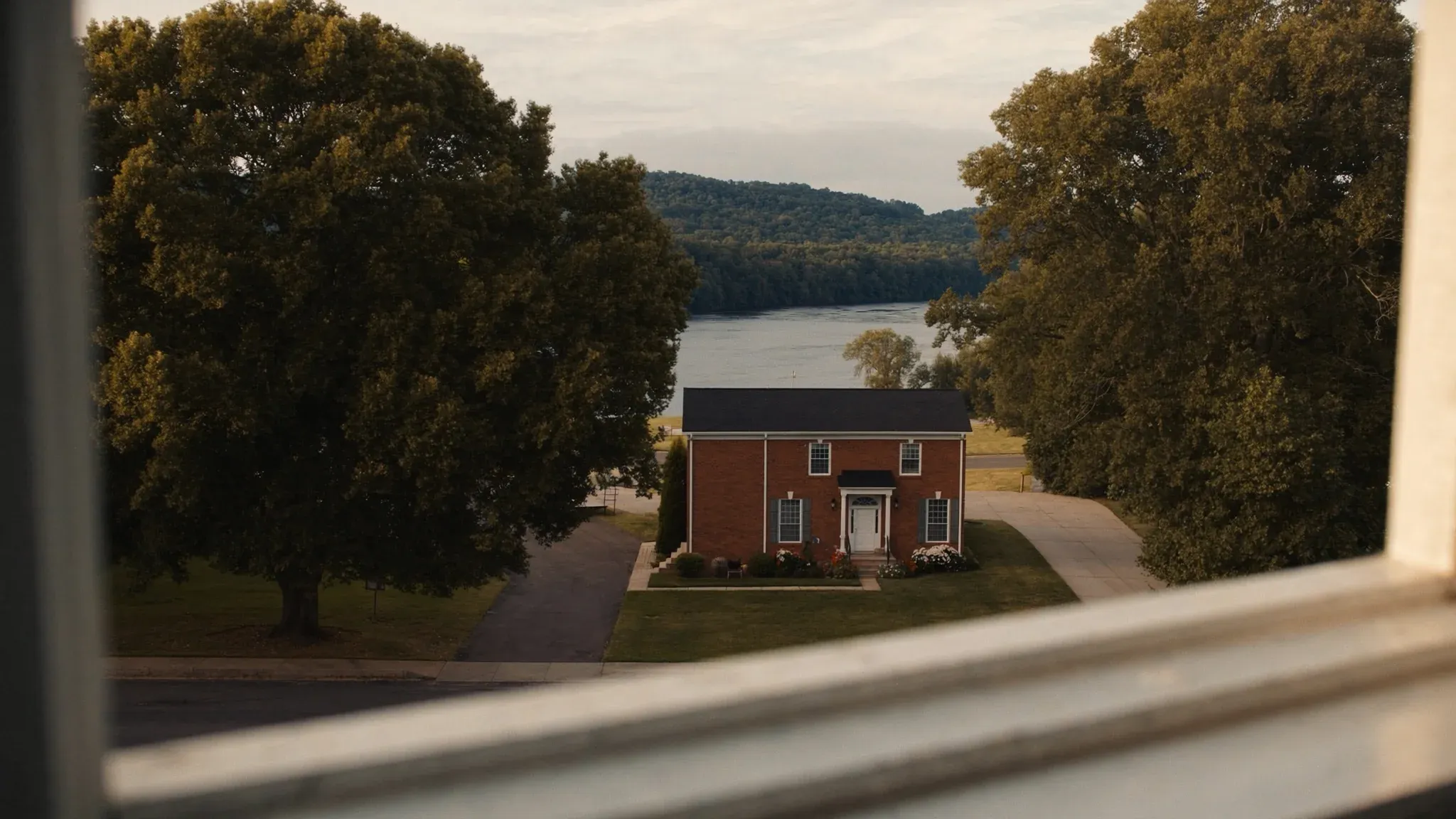
Soddy-Daisy is one of the larger Hamilton County municipalities outside Chattanooga proper, formed by the 1969 merger of the Soddy and Daisy mining-era communities and the W.M. Edmonds Utility District. The city stretches along roughly 12 miles of Tennessee River shoreline on the west bank of Chickamauga Lake, with downtown sitting near 700 feet of elevation and the city’s western edge climbing into the Cumberland Plateau foothills above 1,500 feet [Wikipedia: Soddy-Daisy, Tennessee]. That elevation range, narrow river floodplain, and exposure to TVA lake-level management produce a foundation-repair profile that does not look like flatter Hamilton County suburbs.
River-valley alluvium and lake-level cycles
The lakeside half of Soddy-Daisy sits on Tennessee River alluvium. Alluvial soils are layered, often poorly graded, and historically deposited by the river before TVA impoundment. When Chickamauga Lake levels are drawn down for winter flood storage, the water table beneath waterfront and near-waterfront homes drops several feet. When summer pool returns, the table rises again. That annual cycle drives a slow, repeated wet-dry sequence in the surrounding soils, which contributes to seasonal foundation movement on lots within roughly a quarter-mile of the shore.
Cumberland Plateau foothills and steeper slopes
Above the valley floor, Soddy-Daisy climbs onto the eastern edge of the Cumberland Plateau. Mowbray Mountain Road, Montlake Road, and the western residential corridor sit on Pennsylvanian-era sandstones and shales rather than valley clay. Foundations on the plateau side face a different problem: shallow soil over rock, with seasonal runoff concentrating on the few feet of overburden where homes are sited. Sandstone bedrock does not hold water the way valley clay does, so the issue is less about expansive movement and more about erosion, undermining, and slope creep around footings.
Rainfall and freeze-thaw context
Annual precipitation across the Chattanooga metro exceeds 52 inches [Wikipedia: Chattanooga, Tennessee]. Soddy-Daisy receives the same baseline rainfall plus orographic enhancement on the higher western plateau elevations. Expansive clay components in valley soils swell when wet and shrink when dry [Wikipedia: Expansive clay]. The riverside half of the city contends with this seasonal soil movement; the plateau side contends with concentrated runoff during the heaviest spring rains. Freeze-thaw cycles are modest in the valley but more pronounced on the plateau, where overnight temperatures drop further on clear winter nights.
Soddy-Daisy Neighborhoods and Foundation Patterns
Foundation repair work in Soddy-Daisy clusters by where the home sits relative to the river and the plateau edge. The neighborhood patterns below summarize what local inspections most often find:
- Daisy and downtown Soddy . the original community cores along Highway 27, mostly pre-1970 housing, mix of basement and crawl-space foundations, frequent basement-moisture work
- Sequoyah Hills . hillside subdivisions above the river, predominantly crawl-space, slope-driven settlement on steeper lots
- Mowbray Mountain . plateau-edge premium housing, mix of crawl-space and pier-and-beam, sandstone bedrock under thin overburden
- Big Possum Creek corridor . creek-side homes, recurring crawl-space moisture and footing erosion near the bank
- Soddy Lake area . newer waterfront subdivisions, elevated slab foundations with flood-clearance stem walls
- Montlake Road . newer plateau-side subdivisions, mix of slab and crawl-space, modest topographic variation
- W.M. Edmonds . the former Edmonds utility-district homes, mostly pre-1980 housing stock, mix of foundation types
The mix of river-valley and plateau-edge construction means a single contractor handling Soddy-Daisy needs comfort across multiple foundation types in a single workday.
How to Find a Soddy-Daisy Foundation Repair Contractor
Search results for “best foundation repair in Soddy-Daisy” return mostly Chattanooga and Cleveland providers with service-area coverage rather than local-only operators. The reliable way to evaluate them is on objective criteria, not advertising claims:
1. Written warranty terms
Strong pier-installation warranties run 25 years and are transferable to a future homeowner. Warranties under 10 years on pier work fall short of industry standard. On riverside Soddy-Daisy properties the warranty matters more than usual because the seasonal moisture cycle means recurring stress on the work. Read the actual coverage language. “Lifetime” warranties sometimes have narrower scope than 25-year ones.
2. Engineering letter inclusion
Tennessee residential building code adopts the International Residential Code [Tennessee Department of Commerce, Codes Enforcement]. Pier-installation permits in Hamilton County and the City of Soddy-Daisy typically require a stamped structural engineer’s letter as part of the permit application. Quotes that include the engineering letter are more transparent and less likely to surprise the homeowner with add-on cost mid-project.
3. Local-experience specificity
A Soddy-Daisy contractor should be able to speak to the difference between a Sequoyah Hills hillside pier project and a lakeside slab job. During the inspection, ask whether they have worked in your specific area, what they have seen in similar homes near the river or on the plateau, and whether your home’s pattern is typical for that micro-location.
4. Diagnostic discipline
A reliable foundation contractor diagnoses the cause before recommending a method. The contractor who arrives with a single-method recommendation regardless of what’s wrong is using a sales script. A proper inspection includes elevation measurement across multiple rooms, exterior crack documentation, and crawl-space or basement inspection as relevant. The written report should explain what was measured, what it indicates, and which methods address the underlying issue.
All four can be evaluated from a single free inspection and quote. A contractor who will not commit to all four in writing is useful information.
What to Expect from a Soddy-Daisy Foundation Inspection
A reliable Soddy-Daisy foundation inspection takes 30 to 60 minutes on site and covers four areas:
Exterior walk-around
The inspector walks the full perimeter, photographing any cracks visible in brick veneer, block walls, or stucco. Stair-step cracks at corners get priority documentation. Drainage conditions get noted, including the position of downspouts relative to TVA-published 100-year flood elevation on lakeside lots. Separation between the home and any attached porch, chimney, or garage gets measured.
Interior walk-through
Every interior door gets a function test. Drywall at door and window frame corners gets inspected for cracks. Each room floor gets a level test using a 4-foot level or marble roll. Ceiling cracks in upper-floor rooms get noted.
Crawl-space inspection (most plateau-side homes)
On the plateau side of Soddy-Daisy, crawl-space inspection is the heart of the visit. Every visible masonry pier gets checked for tilt, cracking, settlement. Wood beams get inspected for rot at pier contact points. Joist sag is assessed visually. Vapor barrier integrity is documented. Standing water or damp soil gets noted, particularly on lots downslope of seasonal runoff paths.
Basement and waterfront inspection (riverside homes)
On homes with basements (common in Daisy and downtown Soddy) all four walls get inspected for cracks, noting width, direction, and displacement. A 4-foot level vertically against each wall checks for bowing. Water staining at the wall-floor joint and efflorescence on walls get documented. On waterfront homes the inspector also checks the seasonal water-table mark on basement walls and any sump-pump system.
The inspector then produces a written report within 24 hours. The report includes photographs, elevation measurements, and a recommended scope of work with method-by-method cost ranges drawn from Bob Vila’s May 2024 Foundation Repair Cost guide.
Repair Methods Used Most Often on Soddy-Daisy Homes
Method selection in Soddy-Daisy is heavily influenced by which side of the city the home sits on. The most-used methods, in rough order of frequency:
- Crawl space repair and encapsulation . the most-used method on plateau-side homes because of shallow overburden and seasonal runoff. $700 to $25,000 per project per Bob Vila Foundation Repair Cost guide, May 2024.
- Basement waterproofing . for riverside Daisy, downtown Soddy, and lakefront basements with seasonal water-table contact.
- Helical piers . used for hillside settlement on Sequoyah Hills and Mowbray Mountain slopes. $1,000 to $3,000 per pier.
- Steel push piers . used on flatter Montlake Road and W.M. Edmonds subdivisions with deeper valley fill. $1,000 to $3,000 per pier.
- Pier and beam repair . frequent on older Soddy and Daisy housing stock and on plateau-edge homes.
- Slab foundation repair . on newer lakefront subdivisions with elevated slabs.
- Mudjacking and polyurethane foam leveling . for driveway and patio slab lifting around the city.
Full pricing on the foundation repair cost guide. Symptoms and severity guidance on the foundation problems hub.
Soddy-Daisy Building Permits for Foundation Repair
Foundation repair inside the Soddy-Daisy city limits is subject to Tennessee residential building code, which adopts the International Residential Code per the Tennessee Department of Commerce, Codes Enforcement. Permits inside city limits are processed through the City of Soddy-Daisy building department. Properties outside the city limits but within the 911 emergency-services district fall under Hamilton County permitting instead. A licensed local contractor handles permit submission, plan-review coordination, and inspection scheduling as part of the project scope.
Permit timelines vary. Routine pier-installation permits typically process in 1 to 4 weeks depending on departmental backlog. Lakefront work that requires TVA shoreline-construction approval or a 26a permit takes longer because of the federal coordination step. Emergency situations such as active wall failure can be expedited through the city’s after-hours building inspector.
Other Tennessee Valley Cities Served
- Chattanooga, TN . the metro core, 17 miles south along Highway 27.
- Hixson, TN . the next major Hamilton County community to the south.
- Cleveland, TN . separate Bradley County metro, 25 miles east.
Neighborhoods served
Soddy-Daisy neighborhoods
- Daisy
- Soddy
- Mowbray Mountain
- Big Possum Creek
- Sequoyah Hills
- Montlake
- Soddy Lake
- W.M. Edmonds
Questions
Soddy-Daisy foundation repair FAQs
Why are foundation problems common in Soddy-Daisy?
How much does foundation repair cost in Soddy-Daisy?
What permits are required for foundation repair in Soddy-Daisy?
How long have foundation contractors served Soddy-Daisy?
What Soddy-Daisy neighborhoods need foundation repair most often?
Do you offer free inspections in Soddy-Daisy?
What is the typical foundation type in Soddy-Daisy?
Free inspection
Free Soddy-Daisy foundation inspection
On-site elevation survey, written quote within 24 hours, no obligation.