Guide · How-to
Foundation Repair Process
Foundation repair runs through six steps from first call to completion: inspection, engineering letter (where required), building permit, installation, backfill and restoration, final inspection and warranty documentation. Total elapsed time is typically 4 to 8 weeks, with installation itself taking 2 to 7 days on-site. The permit and engineering steps account for most of the elapsed time. Most homeowners remain in the home during work.
The Six Steps
Step 1: Inspection (week 1)
30 to 60 minute on-site inspection. Elevation survey across floors. Documentation of all cracks (width, direction, location). Identification of foundation type and recommended repair method. Written report and quote delivered within 24 hours of the visit.
Step 2: Engineering letter (weeks 1 to 3)
Where required by local code, a licensed structural engineer reviews the inspection findings and produces a stamped letter specifying the repair design. Tennessee residential building code follows the IRC. Engineering turnaround is typically 1 to 2 weeks.
Step 3: Building permit (weeks 2 to 5)
Application submitted to the local building department. Review timeline depends entirely on jurisdiction backlog. Some metros approve in 3 to 5 business days; others take 4 weeks during busy seasons.
Step 4: Installation (week of repair, 2 to 7 days)
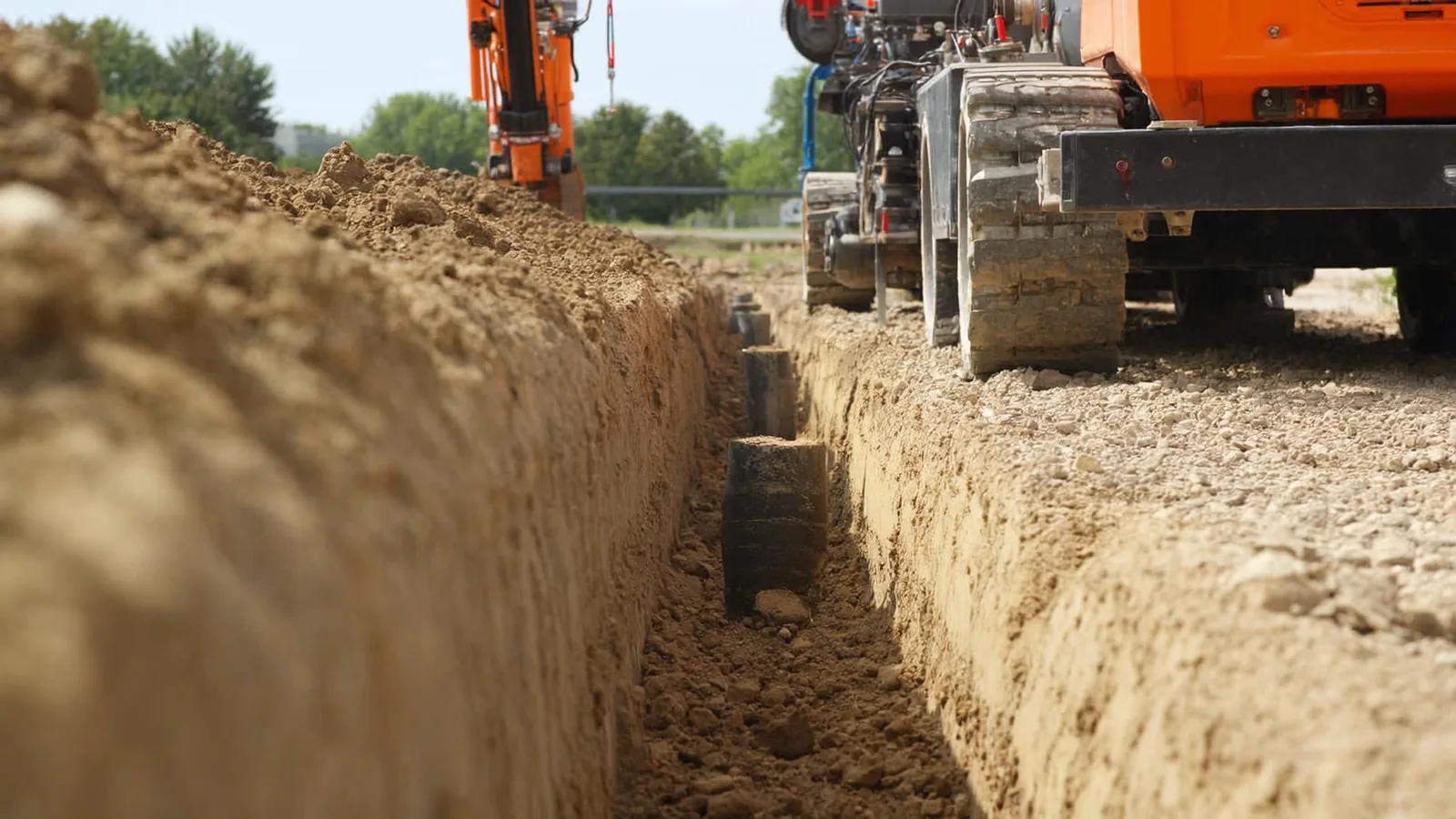
The actual repair work. Pier installation, slab lifting, waterproofing system installation, or crawl space encapsulation depending on scope. Most residential projects complete within a week. Multi-method comprehensive jobs run longer, and scope drives both the on-site timeline and the total repair cost.
Step 5: Backfill and exterior restoration (1 day)
Excavated areas backfilled and compacted. Disturbed landscaping restored to as-found condition. Driveways or sidewalks affected by excavation are cleaned.
Step 6: Final inspection and warranty documentation (same day as completion)
Walk-through with the homeowner confirming all scope items are complete. Warranty documents delivered. Photos of the completed work archived for warranty claims if needed later.
What to Expect in Each Step in Chattanooga
The general 6-step process applies nationwide, but each step has Chattanooga-specific considerations worth knowing in advance.
Inspection: bring photos of all symptoms
For Chattanooga inspections, photograph every visible crack, every door that sticks, every floor that slopes, and the exterior drainage conditions before the inspector arrives. Hillside lots and older neighborhoods often have multiple symptoms that pair (stair-step cracks plus interior drywall cracks plus sticking doors) and the inspector benefits from seeing the full pattern. An online inspection request is the fastest way to get on the schedule.
Engineering letter: 1 to 3 weeks for hillside or unusual sites
Standard residential pier installation engineering letters typically turn around in 1 to 2 weeks. Hillside sites, slope-stability concerns, or unusual soil conditions can extend this to 3 weeks because the engineer may visit the site rather than working from inspection photos alone. Sellers facing tight closing timelines should ask the contractor to start the engineering process early.
Permitting: Hamilton County vs City of Chattanooga
Properties within Chattanooga city limits go through the city’s Land Development Office. Properties in unincorporated Hamilton County go through the county. The two have different processing timelines that vary seasonally. Pier-installation permits typically process in 1 to 4 weeks. Permit fees are bundled into the contractor’s quote.
Installation: weather delays in spring
Chattanooga’s spring rain (the city receives over 52 inches of precipitation annually) frequently delays exterior pier installation because saturated clay cannot bear the hydraulic equipment safely. Interior installations (basement piering, crawl-space work) are weather-independent. Sellers or homeowners with deadline-driven projects should ask about scheduling flexibility for weather rescheduling.
Questions
Foundation Repair Process FAQs
What is the foundation repair process step-by-step?
How long does the foundation repair process take from start to finish?
Do I need to leave my home during foundation repair?
How disruptive is foundation repair?
Free inspection
Talk to a foundation specialist
On-site inspection with elevation survey. Written diagnosis within 24 hours. No obligation.