Service area · Tennessee
Foundation repair in Signal Mountain
Signal Mountain's local resource for foundation repair information. Mountain-town construction sits on Walden's Ridge at roughly 2,100 feet, with shallow soil over Pennsylvanian sandstone, hillside crawl-spaces and pier-and-beam construction, and a colder freeze-thaw cycle than the Chattanooga valley below. Compare 2026 cost ranges, methods, and the specific failure patterns local inspectors find on ridge homes.
Typical foundation type: pier-and-beam
Why Signal Mountain Foundations Are Different
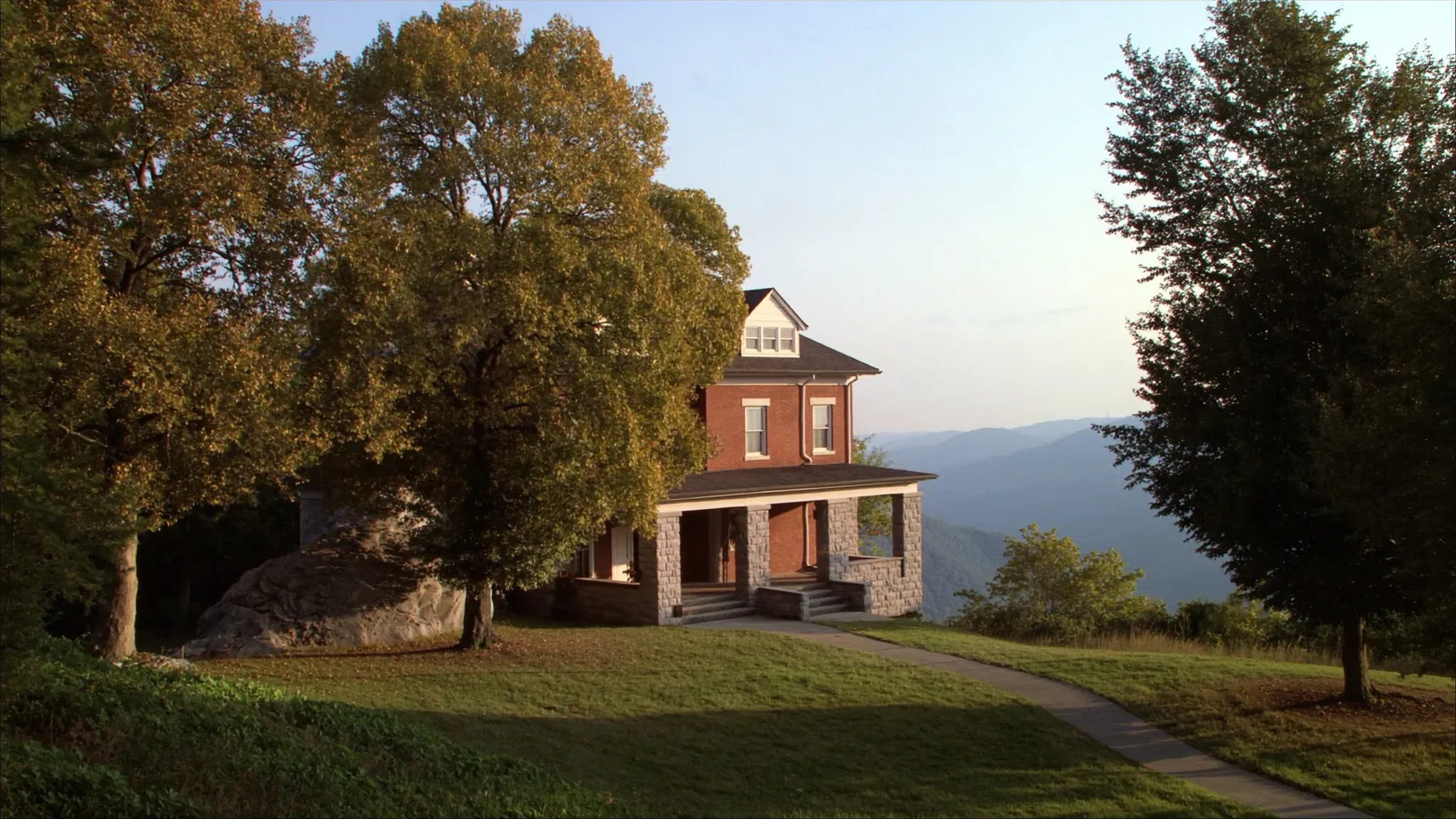
Signal Mountain is an incorporated town that sits on top of Walden’s Ridge, the southern Cumberland Plateau spur that forms the western wall of the Tennessee River gorge at Chattanooga. The town was incorporated in 1919 as a planned summer-resort community and today supports roughly 8,629 residents per the 2020 Census [Wikipedia: Signal Mountain, Tennessee]. The mean elevation across the town runs near 2,100 feet, with the bluff-edge homes facing the valley dropping over 1,400 feet of relief in less than a mile of horizontal distance. That elevation profile, the underlying geology, and the colder climate compared to downtown Chattanooga produce foundation problems that look very different from anything found in the valley.
Thin soil over Pennsylvanian sandstone
Walden’s Ridge is capped by Pennsylvanian-era sandstone formations of the Crab Orchard Mountains group, with shale interbeds and occasional coal seams. Soil overburden across most of the town runs from inches to a few feet thick. Once below the soil, a footing meets either competent sandstone or weathered shale. The mechanical difference matters: sandstone does not compress the way valley clay does, and a properly founded footing on sandstone is mechanically stable. The failure modes that show up here are different from settlement-driven movement in the valley.
Slope, runoff, and footing erosion
Rather than uniform settlement, Signal Mountain foundations more often suffer from concentrated water along footings. A 5-percent or steeper grade across the typical lot funnels seasonal runoff toward downhill sections of the foundation. Where the overburden is thin, repeated runoff can erode soil from around footings or wash material out from under shallow piers. Drainage corrections, grading work, and French drains are often more cost-effective than structural repair for early-stage symptoms.
Freeze-thaw at elevation
The mountain runs roughly 5 to 7 degrees colder than downtown Chattanooga on most winter days, and clear-night low temperatures drop further than the valley’s. The annual count of freeze-thaw transitions is meaningfully higher on the ridge than at river-elevation Chattanooga. Frost penetration is shallow in the regional climate, but the higher cycle count drives more freeze-thaw spalling on exposed footings, more frost heave under poorly drained walkways, and more frequent moisture-cycle damage to masonry piers in older crawl-spaces.
Crawl-space prevalence and ventilation issues
Because basement excavation through rock is expensive, almost all Signal Mountain homes use crawl-space or pier-and-beam construction. The most common findings during inspection are sagging floor joists, masonry pier settlement on the few lots with deeper overburden, moisture accumulation under vapor-barrier-less crawl-spaces, and rot at pier-to-beam contact points where decades of mountain humidity have taken a toll on older framing.
Signal Mountain Neighborhoods and Foundation Patterns
Foundation work in Signal Mountain clusters by housing era and by where the home sits on the ridge. The neighborhood patterns below summarize what local inspections most often find:
- Old Town . the original 1920s and 1930s housing near the W Road and Anderson Pike, predominantly crawl-space, frequent pier-rot and masonry-pier settlement work
- Bluff edge / Brow . premium hillside homes facing the valley, mix of crawl-space and partial daylight basement, drainage and slope-creep concerns
- Shackleford Ridge . newer plateau-top subdivisions, mix of crawl-space and slab-on-grade where soil depth allows
- Taft Highway corridor . mid-century split-levels, mix of foundation types, crawl-space moisture work most common
- Timberlinks and Sunset Ridge . post-1990 subdivisions, more uniform footing depths, fewer settlement events overall
- The Adjacent Walden community . shares the same Pennsylvanian-sandstone geology and is served by the same contractors
The mix of housing era matters more than topographic position because the older crawl-spaces have spent eight or nine decades cycling through mountain humidity.
How to Find a Signal Mountain Foundation Repair Contractor
Search results for “best foundation repair on Signal Mountain” return mostly Chattanooga-based providers with mountain service-area coverage. The reliable evaluation criteria are:
1. Mountain-access experience
Equipment delivery to Signal Mountain is meaningfully harder than to flat valley lots. Narrow shoulders on the W Road and Suck Creek Road, steep driveways, and tight setbacks on older lots all add to project complexity. Ask any contractor how they handle equipment delivery to your specific street, and whether they have worked your driveway grade before. A contractor without mountain-access fluency will surprise the homeowner with access-related change orders.
2. Written warranty terms
Strong pier-installation warranties run 25 years and are transferable. On Signal Mountain the warranty matters less than in valley clay because sandstone-founded piers tend to stay put once installed, but transferable coverage still protects resale value on premium bluff-edge homes.
3. Engineering letter inclusion
Tennessee residential building code adopts the International Residential Code [Tennessee Department of Commerce, Codes Enforcement]. Pier-installation permits issued by the Town of Signal Mountain typically require a stamped structural engineer’s letter, especially for any work near the bluff edge where slope stability is at issue. Quotes that include the engineering letter are more transparent than those that exclude it.
4. Diagnostic discipline
A Signal Mountain contractor should be comfortable saying “this is a drainage problem, not a foundation problem” when that is the case. Concentrated runoff often produces symptoms that look like settlement but trace to surface water rather than structural movement. A contractor who recommends piering for every symptom is using a sales script. The proper diagnostic includes elevation measurement, exterior drainage assessment, and crawl-space inspection.
What to Expect from a Signal Mountain Foundation Inspection
A reliable Signal Mountain inspection takes 30 to 60 minutes on site and covers four areas:
Exterior walk-around and slope assessment
The inspector walks the full perimeter, photographing cracks in stone veneer, brick, or stucco. Slope assessment is more central here than in valley inspections: where does surface water run during a heavy rain, where does it concentrate, where does it exit the lot. Stone retaining walls common to older Signal Mountain lots get inspected for displacement at the same time.
Interior walk-through
Every interior door gets a function test. Drywall at door and window frame corners gets inspected for cracks. Each room floor gets a level test. Mountain homes show seasonal door-binding cycles tied to crawl-space humidity, so the timing of the inspection matters: late-summer humidity peak shows worse readings than dry winter.
Crawl-space inspection (the heart of the visit)
Signal Mountain crawl-spaces deserve more attention than the average inspection. Every visible masonry pier gets checked for tilt, cracking, settlement, and rot at the pier-to-beam contact. Wood beams get inspected for fungal damage in moisture-prone sections. Joist sag is assessed visually with a stringline. Vapor-barrier integrity is documented if a barrier is present at all (many older mountain crawl-spaces have none). Standing water gets noted, particularly where seasonal runoff enters the crawl-space.
Bluff and slope inspection (bluff-edge homes only)
On bluff-edge properties the inspector also documents any visible signs of slope creep: tilted trees, fresh tension cracks in lawn areas, exposed roots, and any movement signs in retaining walls. These signs are independent of foundation movement and matter for long-term property stability.
The inspector then produces a written report within 24 hours. The report includes photographs, elevation measurements, and method-by-method cost ranges drawn from Bob Vila’s May 2024 Foundation Repair Cost guide.
Repair Methods Used Most Often on Signal Mountain Homes
Method selection in Signal Mountain looks very different from valley Chattanooga because of the bedrock and crawl-space prevalence. The most-used methods, in rough order:
- Crawl space repair and encapsulation . the dominant work category here. $700 to $25,000 per project per Bob Vila Foundation Repair Cost guide, May 2024.
- Pier and beam repair . frequent on pre-1960 mountain homes. $700 to $25,000 per project.
- Helical piers . used where soil overburden is deep enough for installation. $1,000 to $3,000 per pier with rock-socket premiums where bedrock is shallow.
- French drains and exterior grading work . often more cost-effective than structural repair for early-stage drainage symptoms.
- Basement waterproofing . limited to homes with partial daylight basements along the bluff edge.
- Slab foundation repair . used only on the newer plateau-top subdivisions with slab-on-grade construction.
- Mudjacking and polyurethane foam leveling . for driveway and patio slab lifting on the limited flat surfaces.
Full pricing on the foundation repair cost guide. Symptom-by-symptom guidance on the foundation problems hub.
Signal Mountain Building Permits for Foundation Repair
Foundation repair inside Town of Signal Mountain limits is permitted through the town’s own building department, which is independent of the City of Chattanooga and Hamilton County. The town adopts Tennessee residential building code per the Tennessee Department of Commerce, Codes Enforcement, which in turn adopts the International Residential Code. Properties in the adjacent Walden community use a separate permitting path through the Town of Walden.
Permit timelines on the mountain typically run 1 to 4 weeks for routine pier-installation work, longer where slope-stability documentation is required for bluff-edge projects. Some bluff-edge work also requires a geotechnical evaluation in addition to the standard engineer’s letter. A licensed local contractor handles permit submission, plan-review coordination, and inspection scheduling as part of the project scope.
Other Tennessee Valley Cities Served
- Chattanooga, TN . the valley metro, 1,400 feet below.
- Hixson, TN . the next Hamilton County suburb to the east at the base of the mountain.
- Soddy-Daisy, TN . river-valley community north along Highway 27.
Neighborhoods served
Signal Mountain neighborhoods
- Old Town
- Bluff edge / Brow
- Shackleford Ridge
- Taft Highway corridor
- Timberlinks
- Sunset Ridge
- Anderson Pike
- W Road
Questions
Signal Mountain foundation repair FAQs
Why are foundation problems common in Signal Mountain?
How much does foundation repair cost in Signal Mountain?
What permits are required for foundation repair in Signal Mountain?
How long have foundation contractors served Signal Mountain?
What Signal Mountain neighborhoods need foundation repair most often?
Do you offer free inspections in Signal Mountain?
What is the typical foundation type in Signal Mountain?
Free inspection
Free Signal Mountain foundation inspection
On-site elevation survey, written quote within 24 hours, no obligation.