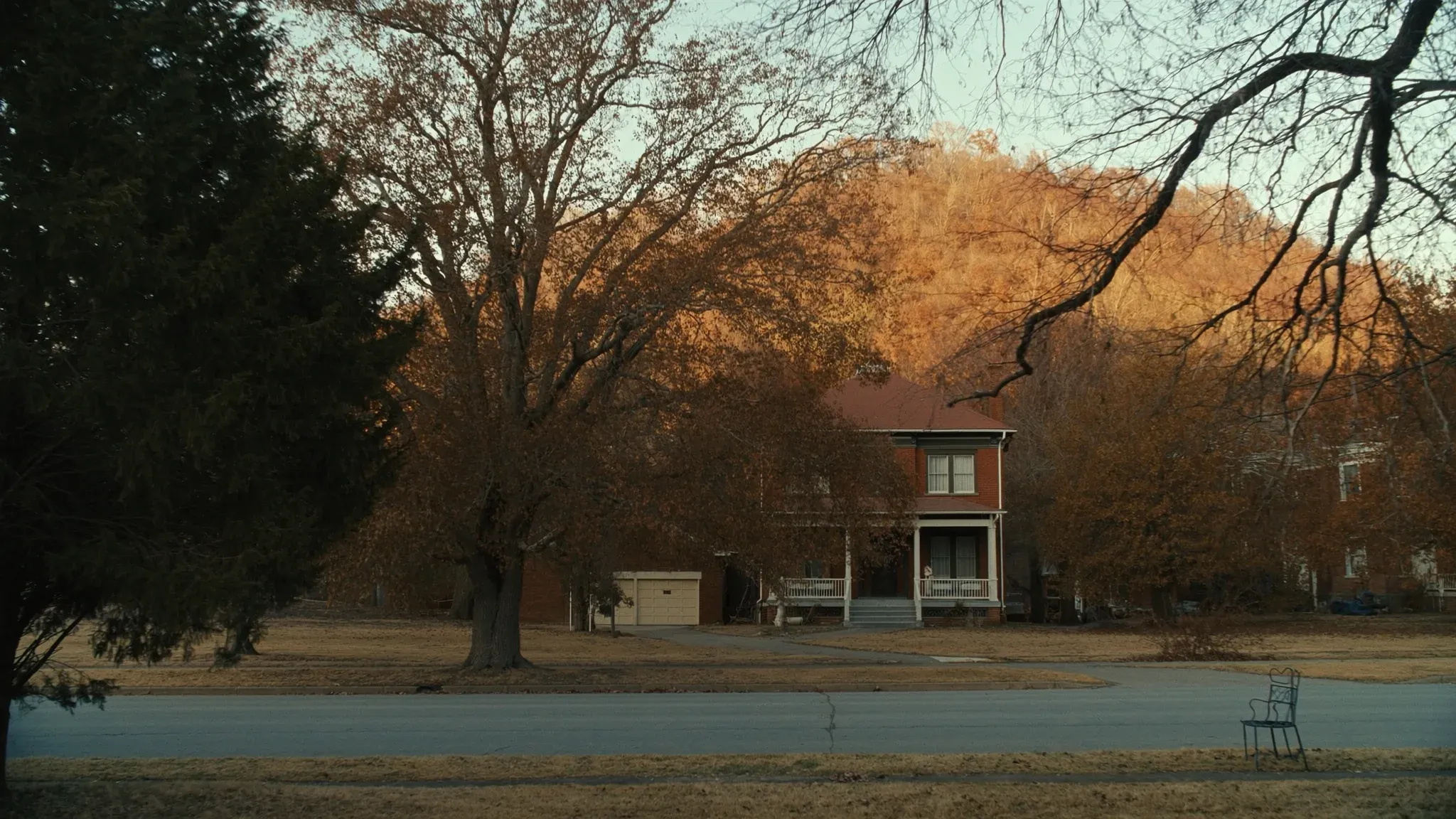
Service area · Georgia
Foundation repair in Dalton
Dalton's local resource for foundation repair information. As the seat of Whitfield County and the historic carpet capital of the United States, Dalton sits on red Georgia clay south of the Tennessee state line, with a housing stock that runs from pre-1900 mill housing to slab-on-grade post-1990 subdivisions. Georgia building codes, not Tennessee codes, govern repair permits here.
Typical foundation type: mixed
Why Dalton GA Foundations Are Different
Dalton is the seat of Whitfield County in northwest Georgia, with a 2020 Census population of 34,417 [Wikipedia: Dalton, Georgia]. The city sits roughly 30 miles south of Chattanooga along the I-75 corridor, on the southern continuation of the Great Valley of East Tennessee as it crosses into Georgia. Although the geography looks continuous on a map, Dalton’s clay chemistry, climate, building codes, and housing-stock pattern produce a foundation-repair profile that is distinct from the Tennessee side of the state line.
Red Georgia clay
The Dalton soils are dominantly red to reddish-brown clay loam developed from weathering of Knox Group dolomite and Conasauga Shale bedrock that floors the Great Valley. The signature “red Georgia clay” runs deeper here than in many Georgia regions because the valley-floor weathering profile is mature. Expansive clay components swell when wet and shrink when dry [Wikipedia: Expansive clay]. Dalton’s clay is on the more strongly expansive end of the regional spectrum.
Rainfall and the wet-dry cycle
Dalton’s annual rainfall runs roughly 56 inches, slightly higher than Chattanooga’s 52 inches because of the lift effect from the nearby Cohutta Mountains to the east. The wet-dry cycle is well-defined: a wet late winter and early spring, a relatively dry late summer, a moderate fall. Slab-on-grade homes built in post-1990 Dalton subdivisions sit on top of this cycling soil with limited tolerance for differential movement, particularly at the slab perimeter where soil moisture varies fastest.
The carpet-mill housing legacy
Dalton’s identity as the historic carpet capital of the United States shaped its housing stock in a way no other city in the service area shares. Mill-era housing in West Dalton, around the historic Crown mill, and in the older neighborhoods near downtown was built in the 1900s through 1940s for mill workers, using construction standards of that era: shallow footings, brick veneer on stone or block stem walls, and crawl-space or partial-basement foundations. These homes have spent eight or nine decades cycling through Georgia clay weather and now produce a steady stream of crawl-space and pier-and-beam repair demand.
Georgia building codes
Dalton homes are governed by Georgia residential construction codes administered by the Georgia Department of Community Affairs, which adopts the International Residential Code with state amendments. This differs from Tennessee in a small but real way: Georgia state amendments adjust setback rules, footing depth minimums in some zones, and the engineer-letter requirement threshold compared to Tennessee’s adoption of the same base code. A contractor moving from a Tennessee project to a Dalton project needs to know which set of state amendments applies.
Dalton GA Neighborhoods and Foundation Patterns
Foundation repair work in Dalton clusters by housing era and by location relative to the I-75 corridor. The neighborhood patterns below summarize what local inspections most often find:
- Downtown Dalton . pre-1940 mixed-use and residential, basement and crawl-space foundations, frequent basement-waterproofing work
- Crown Garden district . the historic mill-era residential streets near the Crown mill complex, pre-1930 housing, pier-and-beam and crawl-space construction
- West Dalton mill housing . mill-worker housing from the 1900s through 1940s, shallow footings, frequent crawl-space repair and structural-pier work
- North Dalton . mid-century single-family housing, basement and crawl-space mix
- Cleveland Highway corridor . post-1990 subdivisions north of the city, predominantly slab-on-grade
- Walnut Avenue corridor . newer commercial-adjacent subdivisions, slab-on-grade
- Tibbs Bridge Road corridor . post-1990 residential growth area, slab-on-grade, recurring slab perimeter settlement
- South Dalton . older mid-century neighborhoods, foundation-type mix
- Mitchell Bridge area . rural-suburban transition, pier-and-beam and crawl-space
The mill-housing legacy means Dalton has a higher proportion of pre-1940 housing than newer Tennessee suburbs of similar population.
How to Find a Dalton GA Foundation Repair Contractor
Search results for “best foundation repair in Dalton GA” return a mix of local Whitfield County providers and Chattanooga-based contractors with Dalton service-area coverage. The reliable evaluation criteria are:
1. Georgia code fluency
A Dalton contractor needs working familiarity with Georgia state amendments to the International Residential Code, not just the base code. Setback rules, footing depth requirements in expansive-soil zones, and the engineer-letter trigger threshold differ between Georgia and Tennessee. Ask any contractor crossing the state line for a Dalton project whether they hold a Georgia general contractor’s license and which Georgia jurisdictions they have permitted in recently.
2. Written warranty terms
Strong pier-installation warranties run 25 years and are transferable to a future homeowner. In Dalton’s strongly expansive clay, warranty matters more than in soil profiles with less seasonal movement because the surrounding clay continues to cycle wet-dry across the lifetime of the repair. Read the actual coverage language.
3. Mill-housing and slab experience
The split between pre-1940 mill housing and post-1990 slab subdivisions means a Dalton contractor needs both crawl-space and slab fluency. During the inspection, ask which category the contractor handles more frequently. A slab specialist quoting a mill-era pier-and-beam project, or a crawl-space specialist quoting a 2005 slab home, will produce a less reliable scope than someone who works both eras regularly.
4. Diagnostic discipline
A reliable foundation contractor diagnoses the cause before recommending a method. Dalton’s red clay is famously expansive and famously confused with settlement when the actual issue is upper-soil cycling. The proper diagnostic includes elevation measurement across multiple rooms, exterior crack documentation, and (where relevant) crawl-space or basement inspection.
What to Expect from a Dalton GA Foundation Inspection
A reliable Dalton inspection takes 30 to 60 minutes on site and covers four areas:
Exterior walk-around
The inspector walks the full perimeter, photographing cracks visible in brick veneer, block walls, or stucco. Stair-step cracks at corners get priority documentation. Drainage conditions get noted: downspout discharge points, grading away from the foundation, and any signs of standing water at the slab perimeter. Red Georgia clay shows water tracks more visibly than tan or gray clay, which aids the drainage assessment.
Interior walk-through
Every interior door gets a function test. Drywall at door and window frame corners gets inspected for cracks. Each room floor gets a level test. Dalton mill-era housing shows a distinctive pier-tilt-driven door-binding pattern that the interior walk-through is designed to surface.
Crawl-space or basement inspection
For pre-1940 Dalton housing, the crawl-space or partial-basement inspection is the heart of the visit. Every visible masonry pier gets checked for tilt, cracking, settlement. Wood beams get inspected for rot at pier contact points. Basement walls get a 4-foot-level check for bowing. Water staining and efflorescence get documented. Mill-era brick veneer is also inspected for shelf-angle rust and brick displacement.
Slab inspection (newer subdivisions)
For post-1990 slab-on-grade homes, the slab inspection covers exterior perimeter cracking, interior tile cracking, doorway gaps, and any indication of differential settlement between the interior of the slab and its perimeter. Dalton red-clay subdivisions commonly show a perimeter-versus-center contrast tied to the wet-dry cycle.
The inspector then produces a written report within 24 hours. The report includes photographs, elevation measurements, and method-by-method cost ranges drawn from Bob Vila’s May 2024 Foundation Repair Cost guide.
Repair Methods Used Most Often on Dalton GA Homes
Method selection in Dalton tracks the housing-era split between mill-housing crawl-spaces and post-1990 slab subdivisions. The most-used methods, in rough order of frequency:
- Steel push piers . the dominant method on post-1990 slab homes because the deep red-clay weathering profile rewards driven-pier installation. $1,000 to $3,000 per pier per Bob Vila Foundation Repair Cost guide, May 2024.
- Helical piers . used where torque-measured installation is preferred. $1,000 to $3,000 per pier.
- Crawl space repair and encapsulation . heavy use on pre-1940 mill-era housing. $700 to $25,000 per project.
- Pier and beam repair . frequent on mill housing and rural Whitfield County homes. $700 to $25,000 per project.
- Basement waterproofing . for downtown Dalton and Crown Garden district basements.
- Slab foundation repair . used on the newer subdivisions for slab leveling and crack injection.
- Mudjacking and polyurethane foam leveling . for driveway and patio slab lifting.
Full pricing on the foundation repair cost guide. Symptoms and severity guidance on the foundation problems hub.
Dalton GA Building Permits for Foundation Repair
Foundation repair inside Dalton city limits is permitted through the City of Dalton building department. Properties in the unincorporated portions of Whitfield County are permitted through the county building department instead. Georgia residential construction follows the Georgia state minimum standard codes administered by the Georgia Department of Community Affairs, which adopts the International Residential Code with state amendments.
Permit timelines in Dalton typically run 1 to 3 weeks for routine pier-installation work, similar to Cleveland TN and faster than the larger Chattanooga office. A licensed local contractor handles permit submission, plan-review coordination, and inspection scheduling. Out-of-state contractors working in Dalton need a Georgia general contractor’s license; Tennessee licensure does not transfer across the state line.
Other Tennessee Valley Cities Served
- Chattanooga, TN . the regional metro core, 30 miles north along I-75.
- Cleveland, TN . separate Tennessee metro on the I-75 corridor.
- East Brainerd, TN . the southeastern Hamilton County community closest to the Georgia line.
Neighborhoods served
Dalton neighborhoods
- Downtown Dalton
- Crown Garden district
- North Dalton
- South Dalton
- Cleveland Highway corridor
- Walnut Avenue corridor
- Tibbs Bridge Road corridor
- West Dalton mill housing
- Mitchell Bridge area
Questions
Dalton foundation repair FAQs
Why are foundation problems common in Dalton GA?
How much does foundation repair cost in Dalton GA?
What permits are required for foundation repair in Dalton GA?
How long have foundation contractors served Dalton GA?
What Dalton GA neighborhoods need foundation repair most often?
Do you offer free inspections in Dalton GA?
What is the typical foundation type in Dalton GA?
Free inspection
Free Dalton foundation inspection
On-site elevation survey, written quote within 24 hours, no obligation.